

Microbiome-Friendly Skin Line

Microbiome-Friendly Skin Care
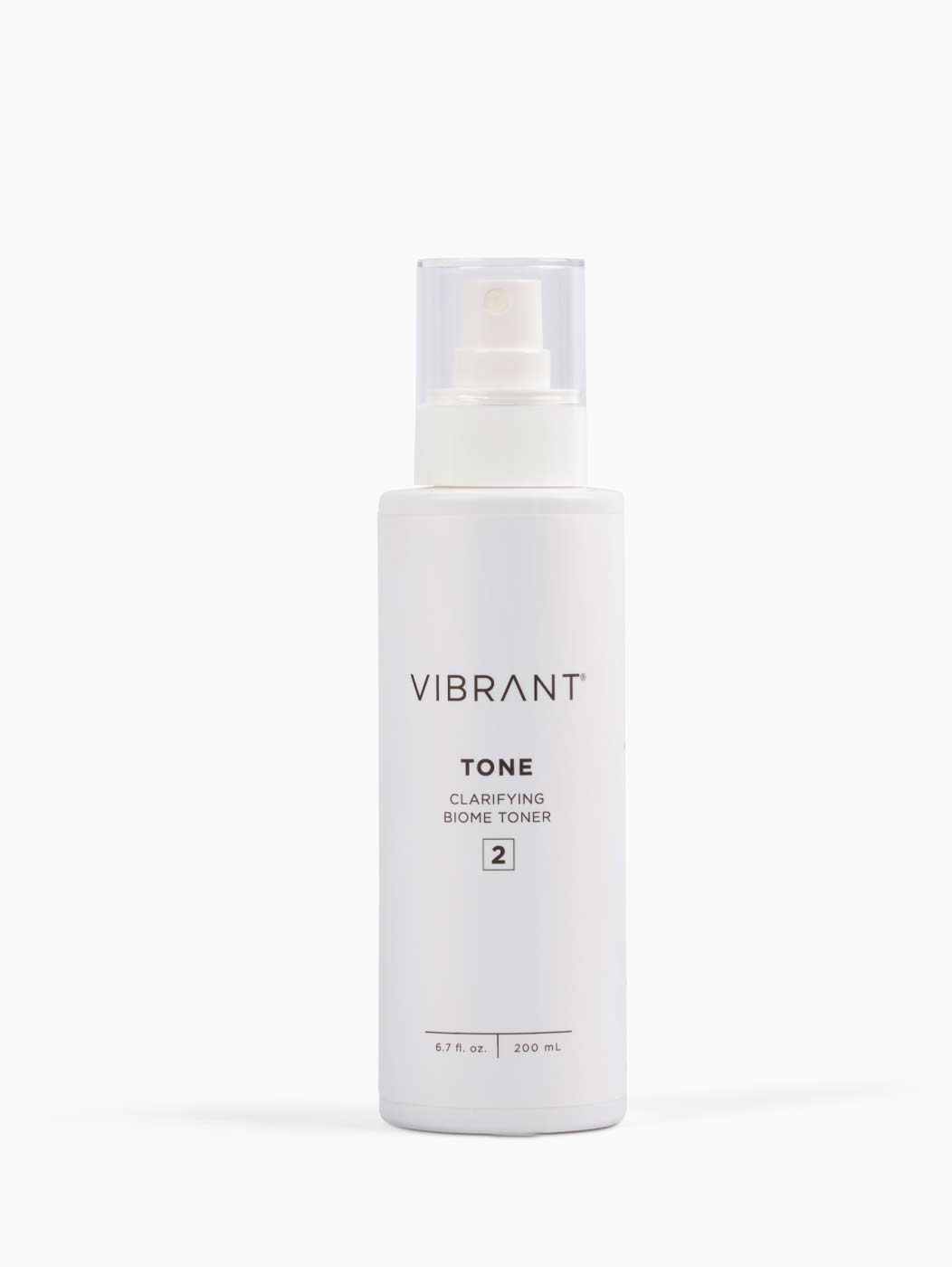
The VIBRΛNT® microbiome-friendly skincare line cleanses, hydrates, clarifies, and restores balance while supporting the skin barrier and natural microbiome. From daily essentials for blemish-prone skin to targeted serums and treatments, each formula is cruelty-free and free of synthetic fragrances, parabens, sulfates, and silicone. The products work together for a simple, results-driven routine that leaves your complexion clearer, calmer, and more radiant.
Explore the full collection below and enjoy free shipping on U.S. orders over $75.




What Is Microbiome-Friendly Skin Care?
Microbiome-friendly skin care supports the trillions of bacteria, fungi, and other microorganisms that live on our skin's surface. The skin flora forms our skin's physical, chemical, and immune barriers. A balanced microbiome helps maintain healthy, hydrated, and resilient skin.
Harsh ingredients like sulfates and synthetic fragrance can strip away beneficial microbes along with dirt and oil. Microbiome skin care takes a gentler approach, cleansing and treating skin while leaving its protective microbial layer undisturbed. It nourishes good bacteria and supports long-term skin barrier repair.
Types of Microbiome-Friendly Skincare Products
A well-rounded microbiome-friendly routine typically includes a variety of products and ingredients that work synergistically to support a healthy skin
microbiome. The choice of products and their effectiveness depend on the person’s skin type and specific concern.
Microbiome-Friendly Skincare Products by Product Type
Microbiome-friendly products are formulated with carefully selected ingredients to maintain microbial balance. They include the following:
- Cleansers — Gentle, low-pH formulas that remove impurities without removing the skin's protective oils.
- Toners — Help rebalance pH immediately after cleansing.
- Serums — Concentrated formulas targeting specific concerns like blemishes, redness, or dehydration.
- Moisturizers —Lock in hydration and reinforce the skin barrier.
- Masks and spot treatments — Targeted, occasional-use products for flare-ups or extra hydration.
Microbiome-Friendly Skincare Products by Key Ingredient
Skin microbiome products often contain three categories of "biotic" ingredients, along with barrier-supporting actives.
- Prebiotics feed beneficial bacteria on your skin, helping them keep undesirable microorganisms in check.
- Probiotics introduce or support beneficial bacterial strains topically.
- Postbiotics are metabolic by-products of beneficial bacteria.
- Barrier-supporting ingredients like ceramides, niacinamide, hyaluronic acid, and Centella asiatica reinforce the skin's protective layer alongside
microbiome-friendly actives.
Microbiome-Friendly Skincare Products by Skin Concern
Microbiome-friendly skin care is especially beneficial for the following skin concerns.
- Blemish-prone skin — Lightweight, non-comedogenic formulas calm breakouts without disrupting healthy bacteria.
- Sensitive or reactive skin — Fragrance-free, minimal-ingredient formulas reduce the chance of irritation.
- Dry or dehydrated skin — Rich moisturizers with ceramides and hyaluronic acid provide long-lasting hydration.
- Uneven tone or texture — Gentle exfoliating and brightening serums work with the skin barrier, not against it.
How to Choose Microbiome-Friendly Skincare Products
Not every product labeled "natural" or "clean" is microbiome-friendly. When evaluating skin microbiome products, look for these signs:
- Fragrance-free or naturally derived fragrance — Synthetic fragrance is one of the most common irritants that disrupts microbial balance.
- Skin-friendly pH — Healthy skin sits in a mildly acidic range, and high-pH cleansers can strip protective oils.
- No sulfates or harsh surfactants — These can be too aggressive for the microbiome.
- Prebiotic, probiotic, or postbiotic ingredients — If listed on the label, they indicate a microbiome-friendly product.
- Dermatologist-tested or clinically tested claims —They indicate the formula has been evaluated for tolerability.
- Minimal, purposeful ingredient lists — Fewer potential irritants generally mean less risk to your skin's microbial balance.
If you have reactive or compromised skin, patch-test new skin barrier repair products on a small area first and introduce new actives one at a time.
How to Build a Microbiome-Friendly Skincare Routine
A microbiome-friendly routine doesn't need to be complicated. A simple, consistent approach best supports the skin barrier long term.
Morning:
- Cleanse with a gentle, low-pH cleanser.
- Apply a prebiotic or probiotic serum to target specific concerns.
- Follow with a barrier-supporting moisturizer.
- Finish with SPF to protect your skin and its microbiome from sun damage.
Evening:
- Cleanse to remove the day's buildup without over-stripping.
- Apply targeted treatments or serums. This is a good time for actives like niacinamide.
- Seal in hydration with a nourishing, microbiome-friendly moisturizer.
A few tips for long-term success:
- Avoid over-cleansing or over-exfoliating, which can strip the skin's protective microbial layer.
- Introduce new products gradually.
- Stay consistent. The skin microbiome typically needs sustained support over weeks to rebalance.
- Pair topical care with healthy habits like adequate hydration and sleep, because overall health influences your skin’s condition.
Microbiome-Friendly Skin Care FAQ
Still have questions about the skin microbiome and how to nourish it? Here are answers to some of the most common ones.
What Is the Skin Microbiome?
The skin microbiome, also known as skin flora and skin microbiota, is the community of bacteria, fungi, and other microorganisms that naturally live on the surface of your skin. Most of these microorganisms are beneficial and play an active role in maintaining the skin barrier through physical, chemical, and
immunological interactions with the skin.
What Does Microbiome-Friendly Skin Care Do?
Microbiome-friendly skin care is designed to support this microbial ecosystem. Because the microbiome plays an essential role in maintaining skin barrier function through key physiological processes, formulas built around prebiotics, probiotics, and postbiotics aim to help the skin barrier retain moisture, resist irritation, and stay in balance.
Is Probiotic Skin Care the Same as Microbiome-Friendly Skin Care?
Probiotic skin care is one category within the broader context of microbiome-friendly cosmetics. Prebiotic skincare products feed beneficial bacteria on
your skin, probiotics introduce bacterial strains topically, and postbiotics deliver fermentation by-products directly to skin cells. Microbiome-friendly
skin care is the umbrella term for these formulations.
What Are the Signs of an Imbalanced Skin Microbiome?
An imbalanced skin microbiome, sometimes called dysbiosis, can manifest as persistent dryness, tightness, redness, increased sensitivity, frequent breakouts, or a compromised skin barrier that reacts easily to products it previously tolerated.
Can Microbiome-Friendly Skin Care Help with Sensitive Skin?
Yes. Because microbiome-friendly formulas tend to be fragrance-free, low in irritants, and designed to support rather than strip the skin barrier, they're often well suited to sensitive or reactive skin types.